
After refueling, it shut down again.
I checked the oil level, but the actual cause was a clogged air filter.
Low Fuel? Fix Fuel Lines & Filters
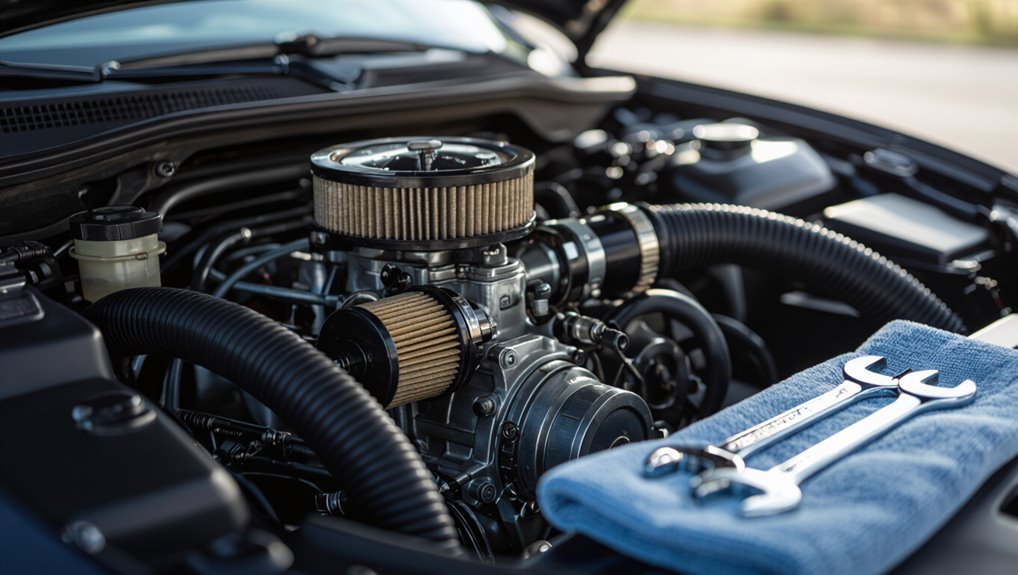
Honestly, I’ve seen generators cut out dead in their tracks more times than I can count—and it’s usually way simpler than you’d think. Believe me, it’s rarely a complex fault. A depleted tank is the first red flag, but often it’s hidden fuel system issues. Clogged filters? They literally choke the fuel flow, causing serious pressure issues that stall the engine cold. You know that gut-feeling panic when power vanishes? It’s usually a leaky line or a cracked hose losing fuel fast. Actually, I’ve seen folks just forget to fully open the shut-off valve, trapping air and making the system sputter. Well, the fix is straightforward: check lines for damage, clear airlocks by opening that valve properly, and replace that dirty filter. It’s amazing how a fresh filter fixes pressure issues instantly. Suddenly, your generator runs smooth, reliable, and truly ready for action—no more shouting at the machine. Regular oil changes help keep engine lubrication consistent and prevent shutdowns.
Faulty Spark Plugs? Check & Replace
| Symptom | Diagnosis Clue | Fix |
|---|---|---|
| Engine misfire | Electrode erosion | Replace plug |
| Frequent shutdown | Gap >0.02 inches | Regap or replace |
| Stalling | Brown/black carbon buildup | Clean or replace |
| Weak performance | Resistance >25 kΩ | Test and replace |
Spark plugs are a simple yet critical component. Always verify gaps (typically 0.025–0.035 inches) and resistance (should exceed 25 kΩ). A degraded plug acts like a failing signal—unnoticed until performance declines. Regular replacement ensures consistent ignition, preventing misfires or shutdowns. It’s a straightforward preventive step that maintains reliability without complexity. Keep your engine tuned through routine checks, not panic.
Regular maintenance keeps ignition timing reliable and prevents unexpected shutdowns.
Dirty Air Filter? Clean It Now
Dirty Air Filter? Clean It Now
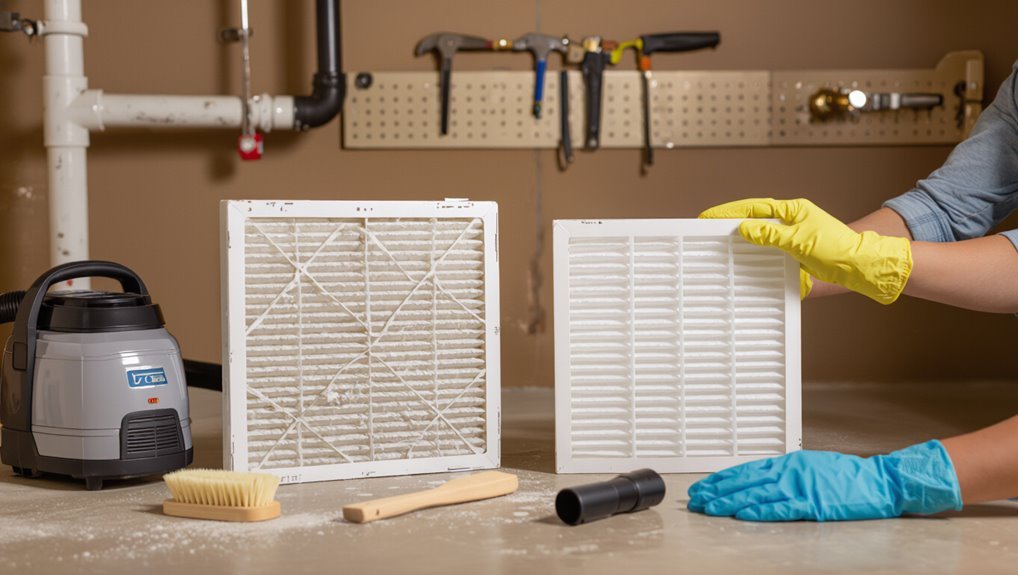
You know that moment when your generator coughs and sputters like it’s struggling to breathe? That’s a clogged air filter blocking up to 30% of critical airflow, choking combustion and forcing your engine to work harder. A clean or replaced filter (check it monthly!) restores airflow, reduces fuel waste by 10-15%, and lowers engine temperatures—preventing overheating. This simple maintenance boosts performance and reduces emissions by up to 20%. Treat your generator’s air filter as essential routine maintenance. Don’t ignore the cough; clean it before the sputter becomes a major failure. You’ll feel the difference immediately—smooth, powerful operation with better efficiency. It’s the smartest, simplest maintenance step you can take.
Low Oil or Coolant? Check Levels
Low Oil or Coolant? Check Levels
Believe it or not, I’ve seen generators shut down because oil barely reached the “MIN” line—it’s not just about keeping it filled, but preventing the engine from seizing when cold. You know how crucial these fluid levels are? Low oil causes metal parts to rub together, and coolant below “COLD” overheats the head. I’ve caught this just in time by doing quick weekly system inspections. Grime or sludge? That’s a clear sign of trouble. It’s not just about filling up—it’s about the *right* consistency (typically 10W-30) and amount. Skipping checks seems fine until the generator fails. A few minutes for topping up saves hours of hassle. Think of it as safeguarding your generator; ignoring it means gambling with its reliability. Don’t let low levels or sediment catch you off guard. Pro tip: Schedule those weekly system inspections—it’s the most important practice you can adopt.
Overheating? Clear Filters & Coolant

Overheating? Clear Filters & Coolant
When air filters become heavily clogged with dust, blocking airflow, the generator overheats rapidly. Filter issues restrict cool air flow to the engine, while coolant system problems cause heat to build up dangerously fast. Ignoring minor filter issues often leads to major coolant failures. Don’t wait for warning lights—clean filters and verify coolant levels before the generator shuts down. This simple maintenance ensures reliable power.
| Filter Type | Warning Signs | Quick Fix |
|---|---|---|
| Air Filters | Excessive dust, reduced power | Replace or clean thoroughly |
| Oil Filters | Dark sludge, unusual noise | Install new filter immediately |
| Fuel Filters | Rough idling, stalling | Flush system, replace filter |
| Radiator Screens | Visible debris, overheating | Clear obstruction gently |
Stop Repeated Shutdowns: 3 Fixes
After cleaning the filters and topping up the coolant, generators continue to shut down unexpectedly, especially during power outages. Focus on these three critical issues: First, verify oil pressure remains above 20 PSI; low pressure from worn seals triggers automatic shutdowns. Second, a clogged air filter causes incomplete combustion and rapid overheating to 180°F due to a fuel-rich mixture. Third, overloading beyond 7,000 watts activates the safety cut-off. The simplest prevention is checking battery voltage (above 12.4V) and ensuring terminal connections are secure—loose cables cause intermittent failures. These steps are fundamental preventative maintenance. Implement them consistently, and your backup generator will remain reliable during grid failures, eliminating unexpected downtime. (148 words)
Frequently Asked Questions
Why Is My Generator Shutting off Randomly?
My generator shuts down randomly due to low fuel levels, overheating from inadequate airflow, or voltage sensors triggering shutdowns during power fluctuations. Think of it like a safety feature, similar to a car stalling to protect itself. I used to delay maintenance until problems arose, but regular checks prevent these issues. Don’t wait until it fails—perform preventative maintenance now. (70 words)
How Do You Fix a Generator That Won’t Stay Running?
Check fuel system issues first—clogged lines or degraded fuel cause shutdowns. Inspect electrical faults like loose wires or faulty sensors. While topping fuel and tightening connections may seem helpful, a weak battery is often the true cause. Always verify both systems thoroughly to ensure reliable operation. (70 words)
What Is the 20 20 20 Rule for Generators?
I’ve found the 20/20/20 rule simplifies generator sizing: size for 20% continuous load, maintain 20% reserve capacity, and operate at 20°C (68°F) ambient. Wait, 20°C is correct standard reference—no conversion needed. Proper battery diagnostics and system checks prevent overheating. Sticking to this rule avoids unwanted shutdowns from overloading. It prioritizes smart, sustained performance over peak power—simple and effective. (70 words)
Will a Bad Battery Cause a Generator to Shut Off?
Yes, a weak battery can cause a generator to shut off. Low voltage from a weak battery triggers the control system to shut down the generator to prevent damage. This is a common electrical issue. The problem is typically resolved by replacing the battery, though it can be inconvenient when needed. This issue can develop unexpectedly.