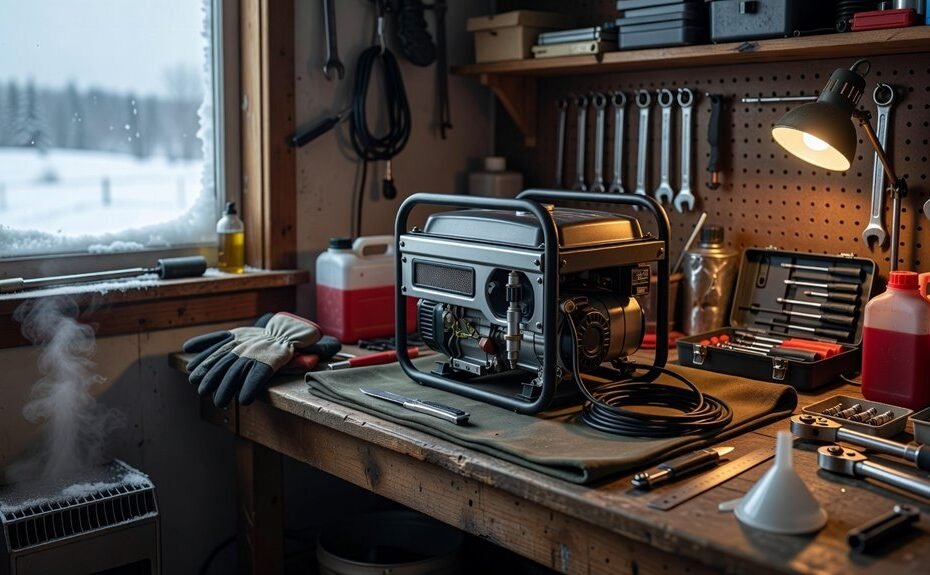
Generator Preparation Winter
Winter’s grip could freeze your generator dead. Skip prep? You’ll regret it when lights fade.
Winter’s grip could freeze your generator dead. Skip prep? You’ll regret it when lights fade.
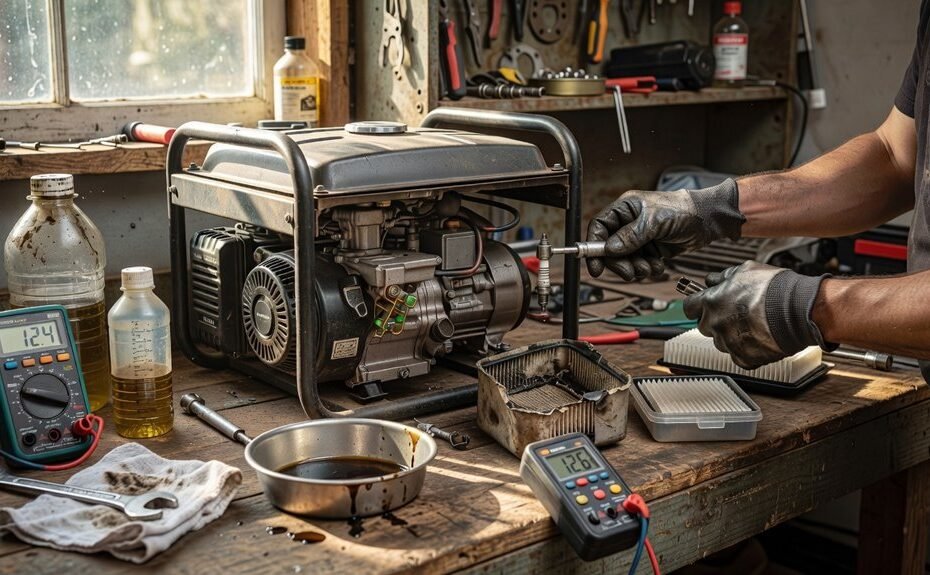
Oh no, your generator’s silent killer might be… (11 common fixes inside).
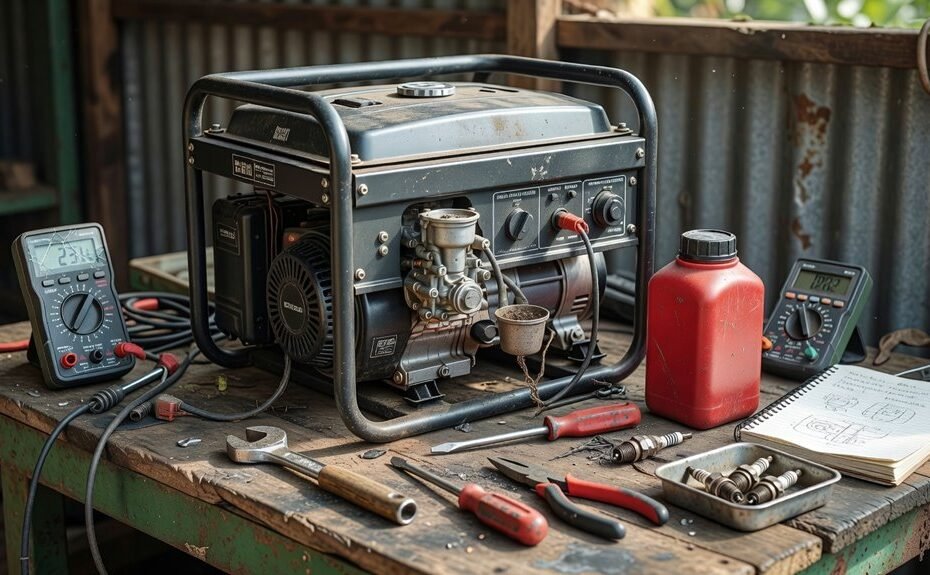
Hidden culprit isn’t fuel or oil—discover why your generator dies mid-use and how to respond. Is yours next?
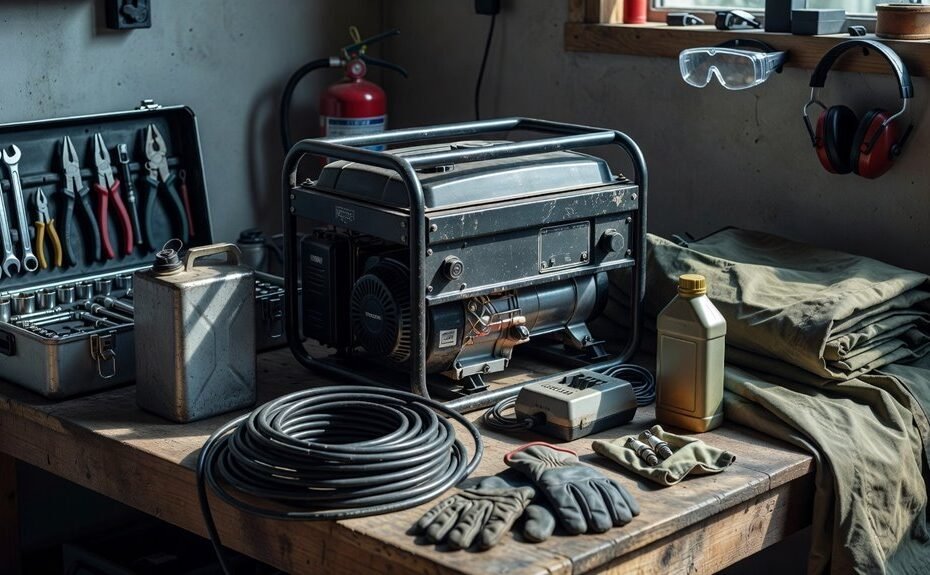
Proactive propane checks prevent generator failure. Are you risking your power during the next storm?
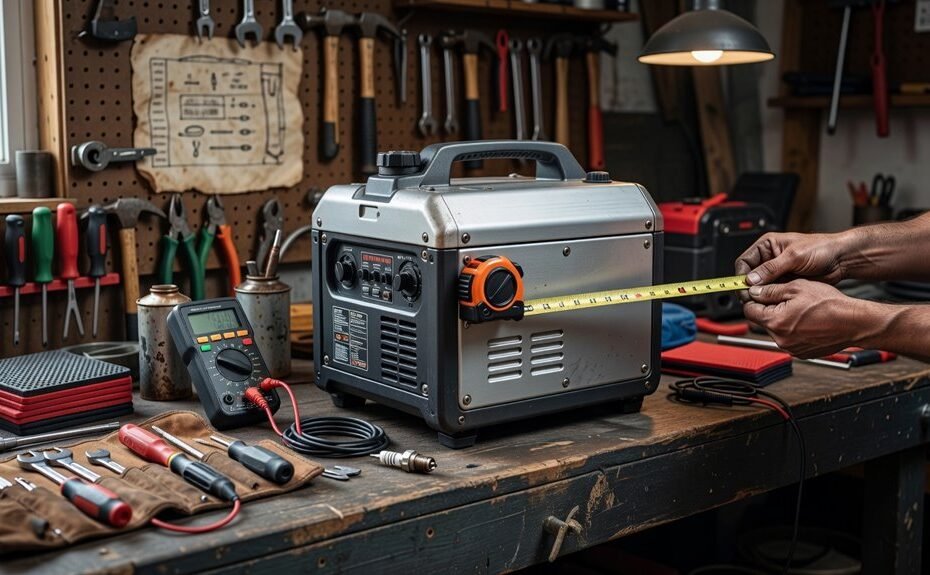
Hidden startup surge? ACs demand 3x power to start—skip this, and your generator fails when you need it.

A loose muffler flange can trigger a costly metal-on-metal meltdown—discover the silent killer before it fails.
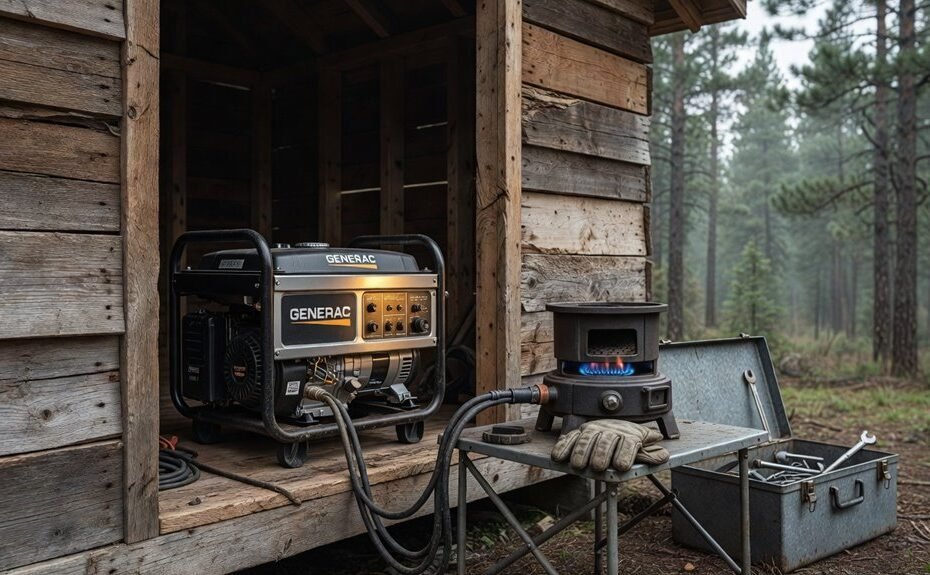
Generac generators have runtime depending on fuel type and usage. Propane typically provides 3-8 days of power, varying with household load. Natural gas offers continuous operation without tank concerns. Proper maintenance, including regular oil changes, helps ensure optimal runtime performance.
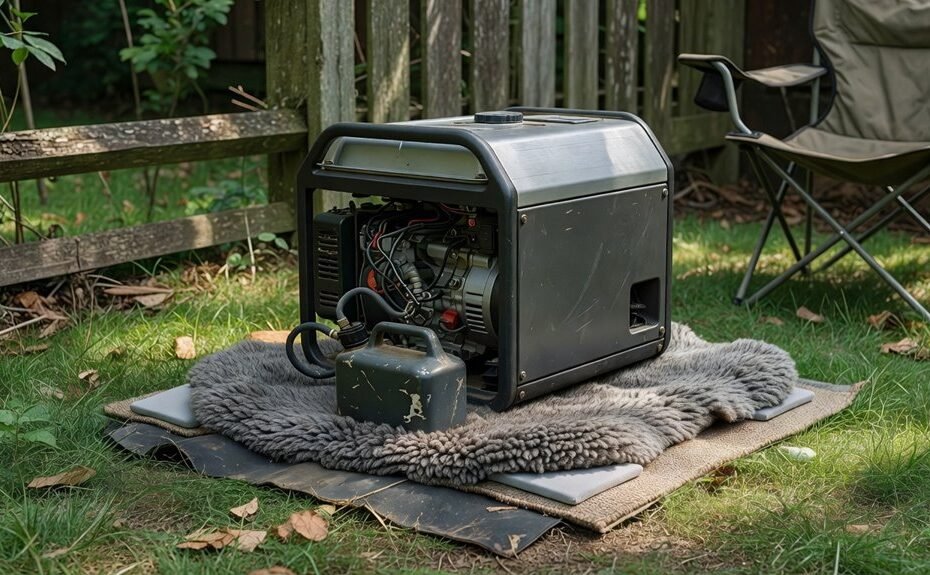
1. Position the generator at least 20 feet away from bedrooms, factoring in wind direction to minimize noise transfer.
2. Install a high-quality muffler—avoid budget options that compromise effectiveness.
3. Place the generator on a thick rubber mat to suppress vibration-related noise.
Tired of pouring money into aging generators? Discover the exact repair cost threshold that makes replacement inevitable before it’s too late.

Mysterious smoke from your generator could signal a simple fix—or a bigger problem, but what does the color mean?