Hurricane season creeps toward us like a shadow on the horizon, and I can’t help but wonder: is your home truly prepared for when the lights go out? I’ve seen too many families scrambling in the dark when their generators fail during critical moments. Trust me, there’s nothing quite like the peace of mind that comes from knowing your standby power system won’t let you down when those fierce winds start howling. Perhaps it’s time we check if your safety net has holes.
The Critical Role of Generator Maintenance Before Hurricane Season
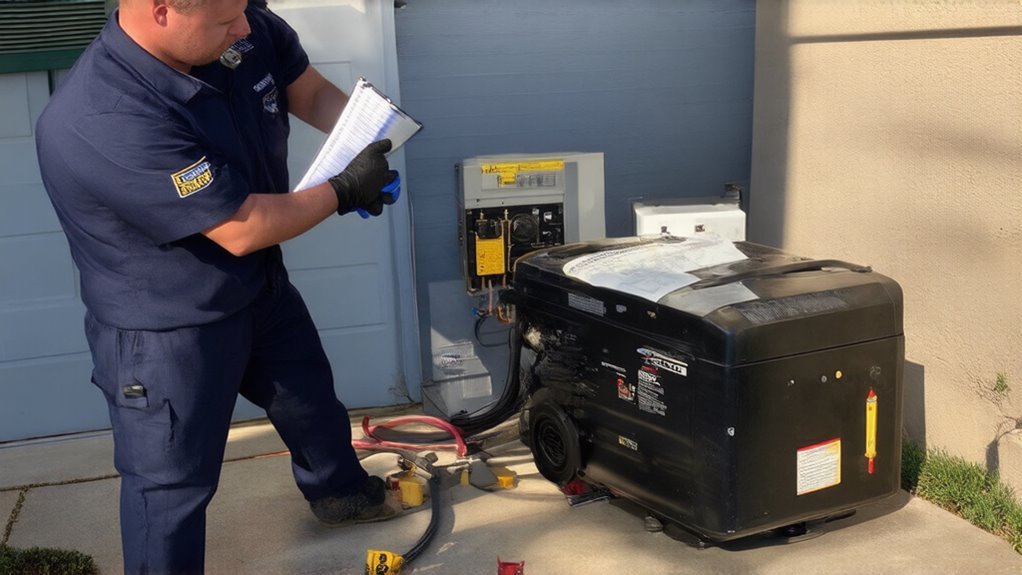
While hurricane season looms on the horizon, many homeowners in South Florida tend to overlook one critical aspect of preparedness—generator maintenance.
I can’t stress enough how important regular generator upkeep is. Without it, you might find yourself in the dark when you need power most.
Regular generator maintenance is non-negotiable. Skip it, and you’ll be left powerless when storms hit.
Last year, I saw countless clients scrambling for repairs right as storms approached—definitely not ideal timing!
Some basic maintenance tips: check oil levels monthly, test-run your generator every few weeks, and perhaps schedule a professional inspection. Regular maintenance ensures that your generator is in optimal working condition and ready to provide power when needed.
I think most issues stem from neglect rather than actual mechanical problems. Your standby generator is an investment in security—treat it accordingly.
Hurricane Power Outage Statistics You Need to Know
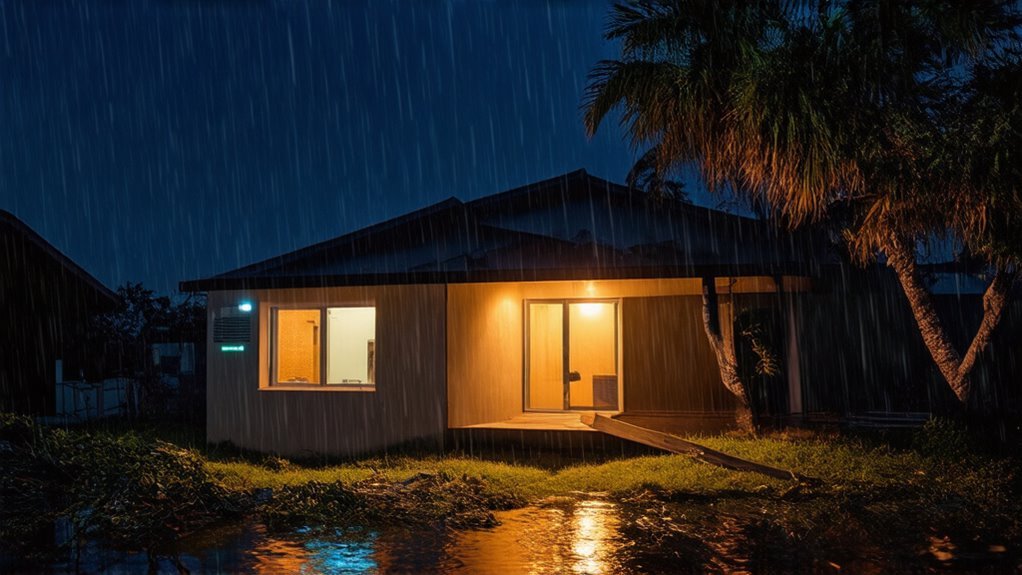
When it comes to hurricane power outages, the statistics paint a sobering picture that every South Florida resident should understand. Nearly 70% of hurricane-related outages last more than 48 hours, with some areas experiencing blackouts for weeks.
I’ve seen firsthand how unprepared households struggle during recovery periods. Power outage preparedness isn’t just a convenience—it’s essential.
During the last major hurricane, over 90% of my clients with standby generators maintained critical functions while their neighbors waited for restoration.
Perhaps the most telling statistic? Homes with proper backup power systems typically recover from a hurricane’s impact 3-5 days faster than those without. Reliable portable power is critical for safety and comfort during such events.
Sizing Your Generator for Hurricane Resilience
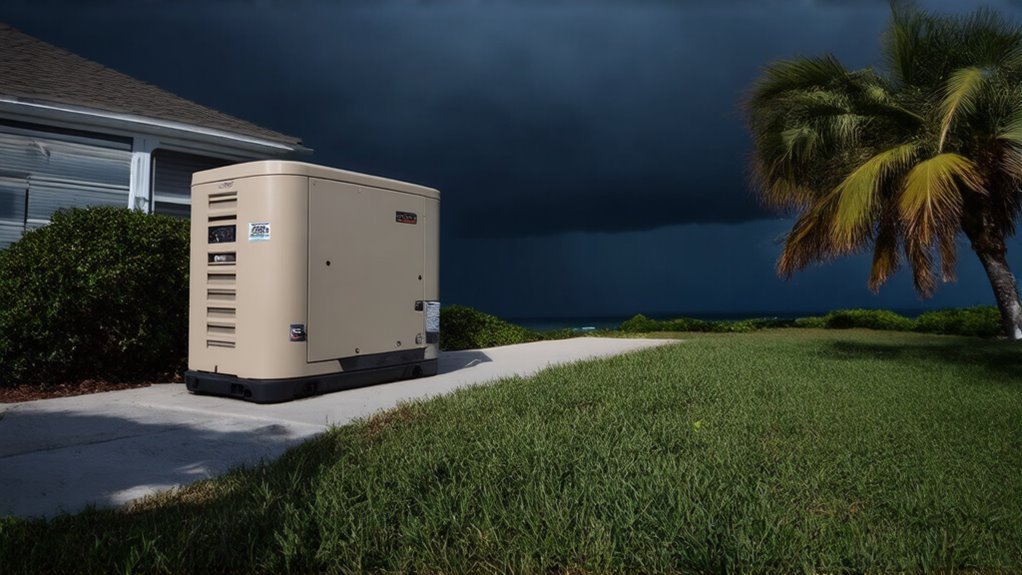
Those power outage statistics I just shared are eye-opening, but they lead to an important question: how big should your generator be to weather the storm?
I’ve found that proper generator capacity is vital for hurricane resilience. Too small, and you’ll face frustrating load management decisions about which appliances to power.
Properly sizing your generator isn’t just about comfort—it’s the foundation of your family’s storm resilience strategy.
Too large, and you’re wasting money on unnecessary capacity.
When I help clients choose, we calculate their essential needs first – HVAC, refrigeration, lighting – then consider additional comforts.
Perhaps the most important thing is having a professional assessment. I think many homeowners underestimate their actual power requirements during extended outages, especially considering total power demand of essential devices during emergencies.
What To Do When Your Generator Won’t Start During a Storm
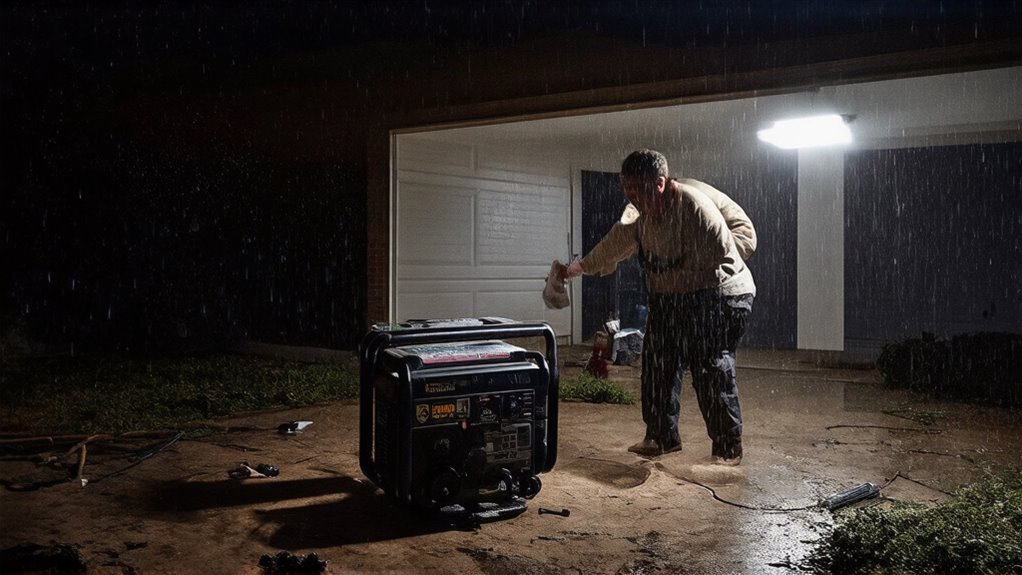
What happens if your generator refuses to cooperate right when the storm hits its peak?
Don’t panic! I’ve seen this happen countless times, and there are several common generator issues with simple fixes.
First, check your fuel supply—sounds obvious, but I can’t tell you how many people forget this step.
Next, inspect the battery connections for corrosion. Sometimes, it’s just a loose wire.
If those troubleshooting techniques don’t work, perhaps there’s an issue with the oil level or air filter.
I think it’s worth examining both before calling us for emergency service. Remember, maintaining coolant levels is essential to prevent overheating, which can also lead to starting problems.
Remote Monitoring Systems for Weather Emergency Preparedness

As the storm clouds gather on the horizon, your peace of mind shouldn’t depend on physically checking your generator.
That’s where remote monitoring systems come in – they’re perhaps the most valuable tool in your hurricane preparedness arsenal.
With remote monitoring benefits like real-time status updates, you’ll know instantly if something’s wrong.
I think the best part is receiving storm alert notifications directly to your phone when weather threatens or power fails.
No more wondering if your standby power is ready.
You can focus on keeping your family safe while your monitoring system keeps an eye on your generator, even when you can’t.
South Florida’s Generator Regulations and Hurricane Codes
Living in South Florida means preparing for hurricanes isn’t just smart—it’s regulated. Many homeowners don’t realize that installing a standby generator requires proper permits and compliance inspections from local authorities.
I’ve seen too many clients face fines after hurricane season because they rushed installations without following county codes. Your generator must meet specific setback requirements, noise limitations, and fuel storage regulations.
Before hurricane season hits, I think it’s worth checking if your existing system is up to code. Perhaps schedule an inspection with a certified professional who understands our unique regional requirements. A transfer switch ensures that your generator can be safely connected to your home’s electrical system.
It’ll save you headaches when you need that power most.
Fuel Storage Best Practices for Extended Outages
When hurricanes knock out power for days or even weeks, your standby generator’s fuel supply becomes the lifeline that keeps your home running.
I can’t stress enough how important proper fuel storage is for those of us in South Florida.
Different fuel types require specific storage containers. For propane, I recommend professional tanks that are hurricane-rated, while diesel and gasoline need approved safety containers stored in well-ventilated areas.
I think the key is rotating your fuel supply every few months.
Perhaps the most overlooked aspect is keeping storage areas dry and cool to prevent contamination that could leave you in the dark when you need power most. Proper fuel management can address approximately 75% of generator failures, ensuring your generator remains functional during critical power outages.
Creating a Comprehensive Hurricane Power Plan for Your Home
Three essential elements form the backbone of an all-encompassing hurricane power plan for your home: reliable backup power, strategic appliance prioritization, and proper generator maintenance.
I’ve found that most homeowners overlook the third element, which often leads to power issues when storms hit.
- Fear of sitting in darkness with your family while neighbors have light
- Relief of knowing your refrigerated food and medicine remains safe
- Confidence that comes from having tested your storm preparation strategies
- Comfort of maintaining climate control during sweltering post-hurricane days
- Satisfaction of helping neighbors with your power restoration tips
- Regular oil changes are crucial to ensuring that your generator continues to function optimally when you need it the most.
Frequently Asked Questions
How Long Does Generator Installation Typically Take?
I typically complete generator installations within 1-2 days with professional help. The timeline depends on your home’s electrical setup and whether permits are needed for the installation process.
Are Standby Generators Quieter Than Portable Models?
Like night and day, standby generators are markedly quieter than portable models. I recommend proper generator maintenance tips to keep noise levels minimal. They’re designed with sound-dampening technology for neighborhood friendliness.
Can Generators Be Installed in Flood-Prone Areas?
Yes, I can install generators in flood-prone areas with proper flood protection measures. Our installation guidelines require elevated platforms and waterproof enclosures to safeguard your investment against water damage.
Will a Generator Increase My Home’s Resale Value?
Studies show homes with generators can see up to 5% increase in value. Yes, I’ve found a standby generator adds to your home value through its practical benefits for potential buyers.
Is Generator Financing or Leasing Available?
Yes, I offer generator financing and leasing options to make standby power accessible for your home. I’ll help you explore payment plans that fit your budget and needs.